Patient safety is one of the fundamental values of the healthcare system.
As modern medicine evolves at a rapid technological pace, it must simultaneously adhere to clear principles aimed at protecting patient health. One of the most critical principles is ensuring a safe healthcare environment.
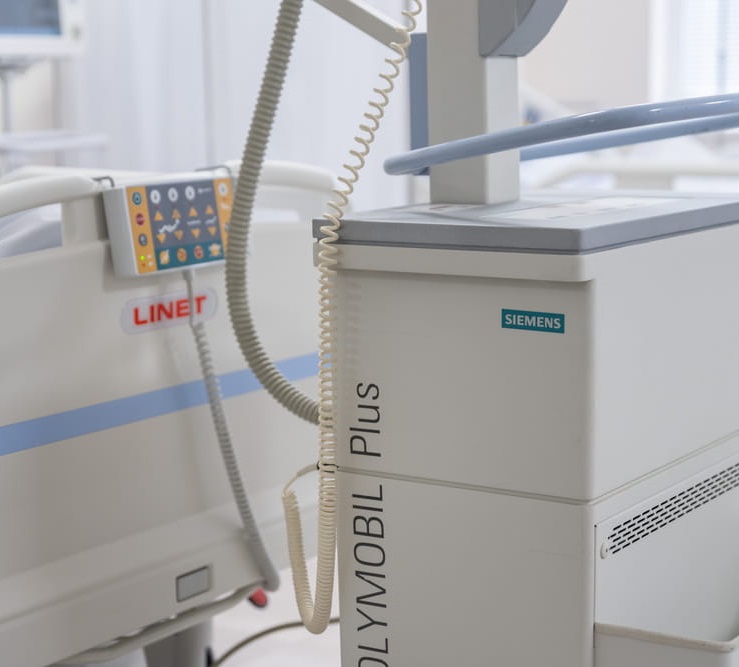
This environment is built not only on the professionalism of medical staff but also on the correct selection, proper use, and regular technical maintenance of medical equipment. Medical technologies should serve not only diagnostic and therapeutic purposes but must also fully comply with all safety standards.
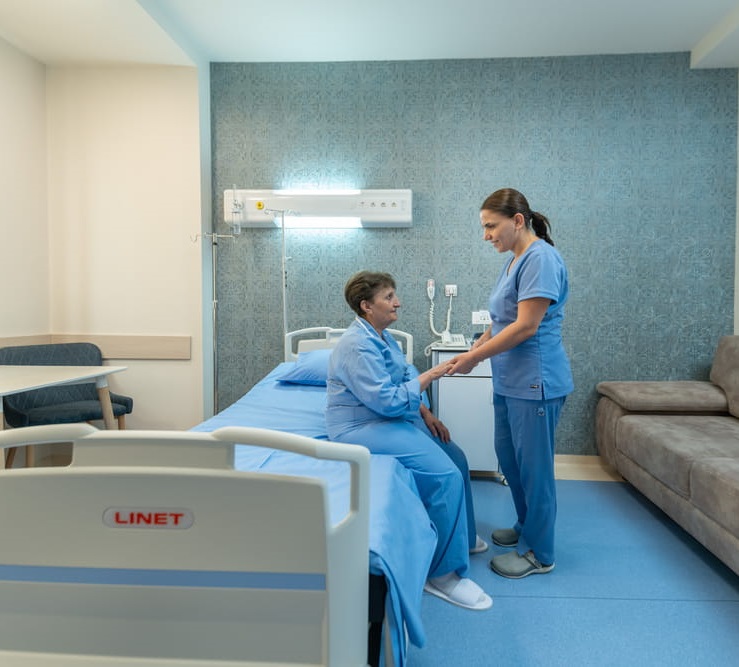
Equipment Design Focused on Patient Comfort and Staff Safety
When designing medical equipment, it is essential to understand that every system, component, or mechanism has a direct or indirect impact on the quality of care and the hygienic conditions of the clinical environment.
For patients, equipment should ensure:
- comfortable body positioning,
- minimal discomfort during prolonged examinations or treatment procedures.
For medical staff:
- easy access to control elements,
- intuitive user interfaces,
- automation mechanisms to minimize human error.
High-quality medical equipment contributes not only to patient safety but also to improved operational efficiency.
Infection Control: The Role of Sterilization and Disinfection of Medical Devices
Even a minor infection during treatment can lead to serious complications. Preventing hospital-acquired infections should begin at the equipment design stage.
Modern medical devices should provide:
- smooth surfaces to prevent the accumulation of dust and microorganisms,
- designs without corners or hard-to-reach gaps for easy cleaning,
- the use of chemically resistant materials,
- clear and accessible guidelines for disinfection procedures.
Medical equipment must undergo regular hygienic monitoring, and sterilization processes should be standardized and approved by the manufacturer.
Risk Reduction: Ensuring Equipment Reliability
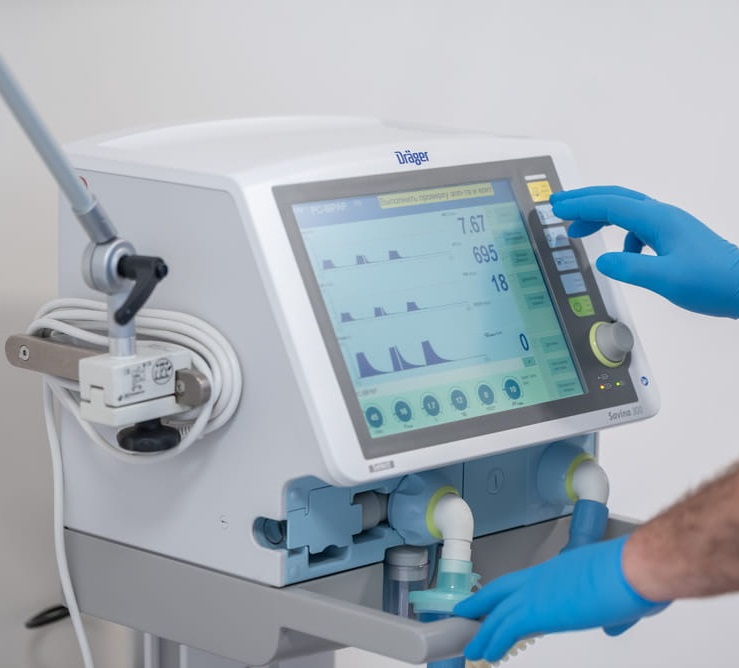
In intensive care units, emergency departments, and surgical wards, every second is critical. Even a minor technical failure can alter the outcome of a medical intervention. Therefore, equipment reliability in these settings is not a desirable feature but a mandatory requirement.
To ensure a high level of reliability, medical equipment should include:
- backup power supply systems,
- automated safety functions,
- self-diagnostic and error-detection algorithms,
- continuous monitoring of software security.
Regular updates and technical upgrades further reduce the risk of malfunctions and operational errors.
The Role of the Supplier Partner in Ensuring Safety
Purchasing medical equipment is not merely a transaction involving procurement and delivery. The supplier’s experience and the comprehensiveness of the services provided play a crucial role. A reliable partner not only delivers high-quality equipment but also:
- ensures professional installation,
- provides staff training,
- offers continuous technical support,
- delivers warranty and post-warranty service.
MV Medtech provides its partners with end-to-end support, from equipment selection to the completion of its operational lifecycle.
Conclusion
Ensuring a high level of patient safety requires a systematic and integrated approach. From equipment design to ongoing maintenance, every stage must serve one objective: creating a safe environment in every healthcare facility.
MV Medtech is a trusted partner for institutions seeking to elevate the quality of their medical services. We supply modern, field-proven medical technologies and equipment that meet international standards and help healthcare providers maintain safe, efficient, and reliable operations.